


Understanding the psychological triggers that influence casino behavior
The allure of risk and reward
The excitement surrounding casinos often hinges on the balance of risk and reward. This intrinsic allure captivates individuals, drawing them into an environment where chance and strategy intertwine. Gamblers frequently weigh the potential rewards against the risks they must take, fueling a psychological thrill. For many, this paradox creates a compelling narrative, as the excitement of winning can overshadow the reality of potential losses. With the convenience of modern technology, players can also explore options like the indibet apk to enhance their experience.
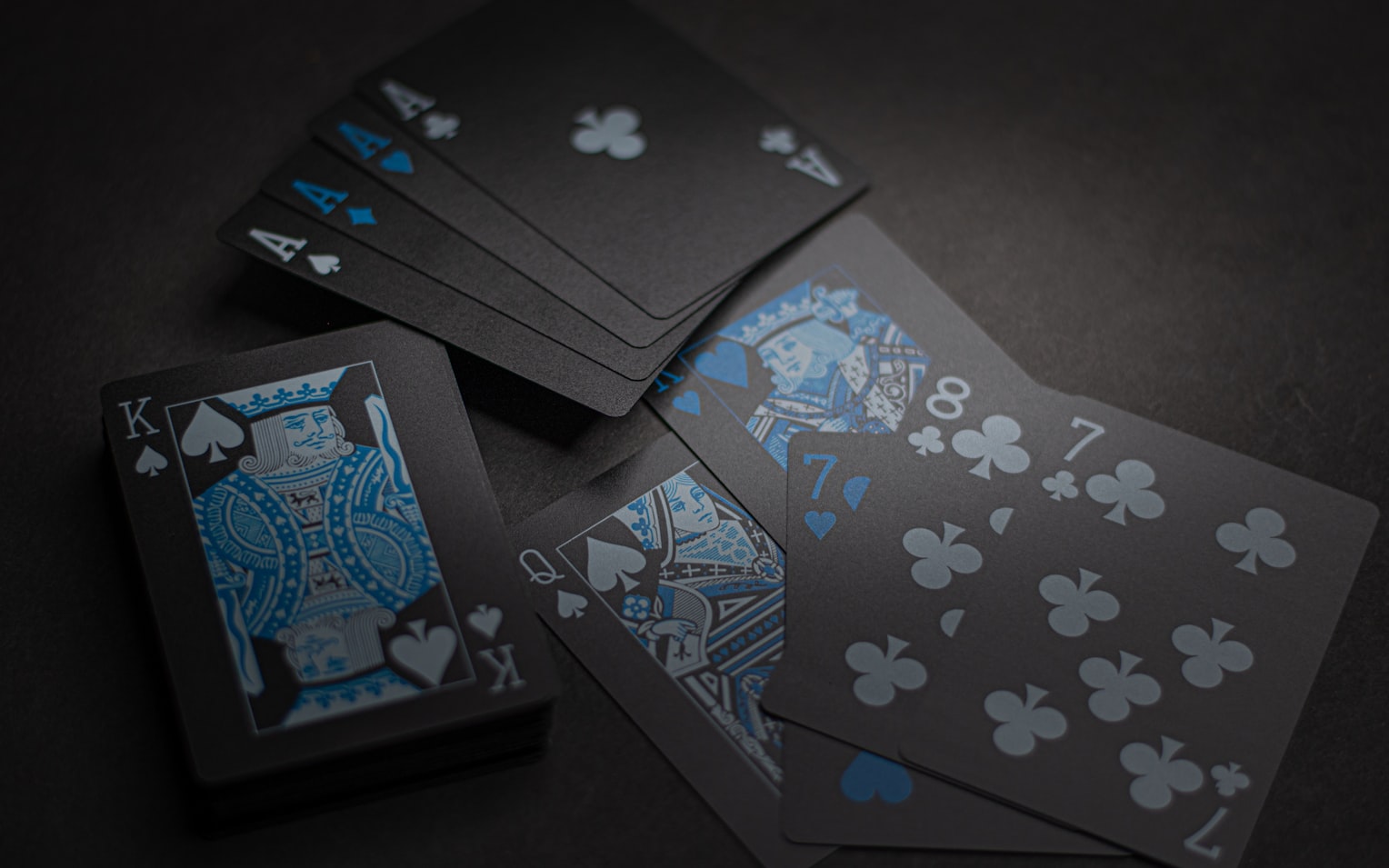
The dopamine release triggered by both wins and near-misses reinforces this behavior. Players often experience a surge of pleasure when they approach a win, even if they do not ultimately succeed. This phenomenon, known as the “near-miss effect,” creates a persistent desire to continue playing, as the brain associates these moments with hope and anticipation of eventual success.
The role of social interactions
Social interactions play a significant role in shaping casino behavior. Many individuals visit casinos not just for the thrill of gambling but for the camaraderie and shared experiences with friends or fellow players. This social aspect can amplify the emotional highs and lows associated with gambling, fostering a communal atmosphere that enhances the overall experience.
The presence of other players can serve as both a motivator and a source of competition. Observing others win can evoke feelings of excitement, prompting players to engage more actively. Conversely, witnessing losses can lead to a shared sense of disappointment, creating an emotional bond among players. This social dynamic can significantly influence betting behavior, as individuals may be more likely to take risks in a group setting than when alone.
Moreover, casinos often host events, tournaments, and promotional activities aimed at fostering social engagement. These gatherings not only create opportunities for interaction but also encourage repeated visits, as players form connections and engage in communal experiences. Such dynamics deepen players’ psychological investment, making them more inclined to return, despite the inherent risks of gambling.
The impact of cognitive biases
Cognitive biases significantly shape gambling behavior, often leading individuals to make irrational decisions. One prevalent bias is the gambler’s fallacy, which is the belief that past outcomes influence future results. For example, a player might think that after several losses, they are due for a win, prompting them to increase their bets. This misguided logic can perpetuate a cycle of betting that leads to greater losses.
Another critical bias is the illusion of control, where gamblers believe they can influence outcomes through their actions. This belief is particularly prevalent in games that involve a level of skill, such as poker. Players may overestimate their ability to predict outcomes, which can lead to increased wagering. This psychological miscalculation can foster a sense of confidence, further entrenching players in a cycle of gambling.
Additionally, confirmation bias plays a role, as individuals tend to seek out information that supports their beliefs about winning. A gambler might focus on their successes while ignoring losses, reinforcing the belief that they possess a “lucky” method or strategy. These cognitive biases contribute to a distorted perception of reality, encouraging continued gambling despite negative outcomes.
The influence of casino design and marketing
The design and marketing strategies of casinos are intentionally crafted to influence behavior and encourage participation. The physical layout of casinos often features no windows or clocks, creating a sense of timelessness that can lead players to lose track of time and money. This psychological manipulation makes it easier for individuals to stay longer and spend more than they initially intended.
Moreover, marketing techniques play a crucial role in attracting players. Promotions such as welcome bonuses, loyalty programs, and free drinks contribute to an environment where players feel valued and incentivized to return. These strategies create a psychological commitment, making it less likely for players to leave once they have begun their gambling experience.
The placement of slot machines and table games is also carefully considered. High-traffic areas are often populated with visually stimulating games that promise immediate gratification. This strategic positioning increases the likelihood of spontaneous play, drawing in individuals who might not have intended to gamble. As a result, the combination of design and marketing amplifies players’ engagement, enhancing their overall experience.

Exploring responsible gaming resources
Understanding the psychological triggers that influence casino behavior is essential for promoting responsible gaming. Players should be aware of how their emotions and cognitive biases can lead to irrational decisions. By recognizing these psychological factors, individuals can better manage their gambling habits and mitigate the potential for addiction.
Many casinos and online platforms now offer resources aimed at promoting responsible gaming. These resources often include self-assessment tools, informational materials, and options to set spending limits. By providing support and education, operators aim to create a safer gambling environment where individuals can enjoy the thrill without falling into harmful behaviors.
It’s crucial for players to engage in self-reflection and establish personal guidelines for their gaming activities. Setting limits on time and money can help maintain a healthy relationship with gambling, ensuring that it remains an enjoyable pastime rather than a detrimental obsession. Awareness and proactive measures are key components in fostering a culture of responsible gaming.
“`
